
Hormone therapy for ADHD? There’s an app for that
Estrogen helps ADHD women’s brains function better, but when ADDivas enter perimenopause, estrogen waxes and wanes, wreaking havoc on our memories, our concentration and our moods. Estrogen therapy sounds like the answer, but hormone therapy is fraught with potential dangers. That’s why I was so happy to discover an app (there’s an app for everything!) that helps you narrow down your risk as you decide whether ET is appropriate for you.
Two “new” ADHD meds coming in 2017

Sometimes the more things change, the more they stay the same. Take ADHD meds, for instance. If you are looking for a stimulant you have exactly two choices: amphetamines (like Adderall) or methylphenidate (Ritalin and its ilk).
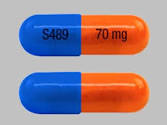
That doesn’t stop the pharmaceutical companies from offering lots variations on these Schedule II class drugs. The medications are controlled by the FDA. And here it comes again:Shire Pharmaceuticals announced it would begin distribution and marketing of Mydayis later this year.
Track depression with your fitness monitor – technology meets mental health!
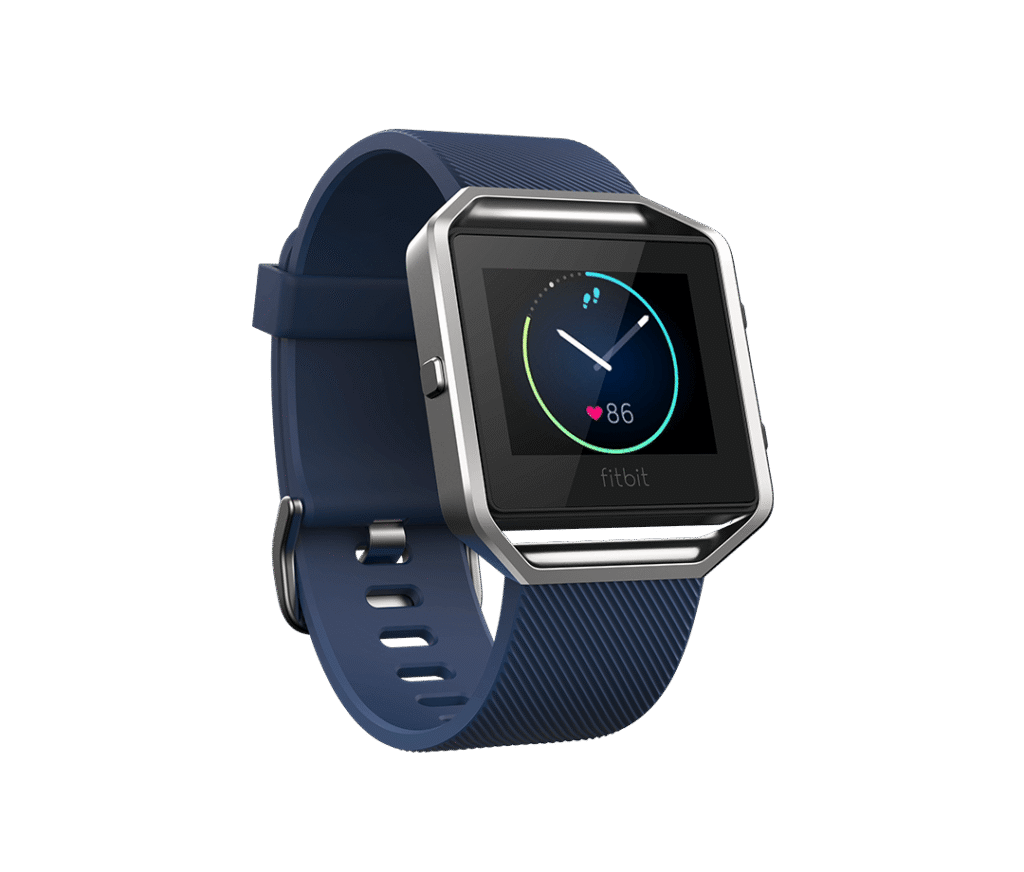
Fitness monitors can alert doctors to symptoms of depression according to a new study released at the 2017 American Psychiatric Association annual meeting. The study, conducted at Stanford University with nearly 3,000 older men living in community centers, reported that low activity during the day and/or going to bed late and getting up late or going […]
The little yellow pill that saved me
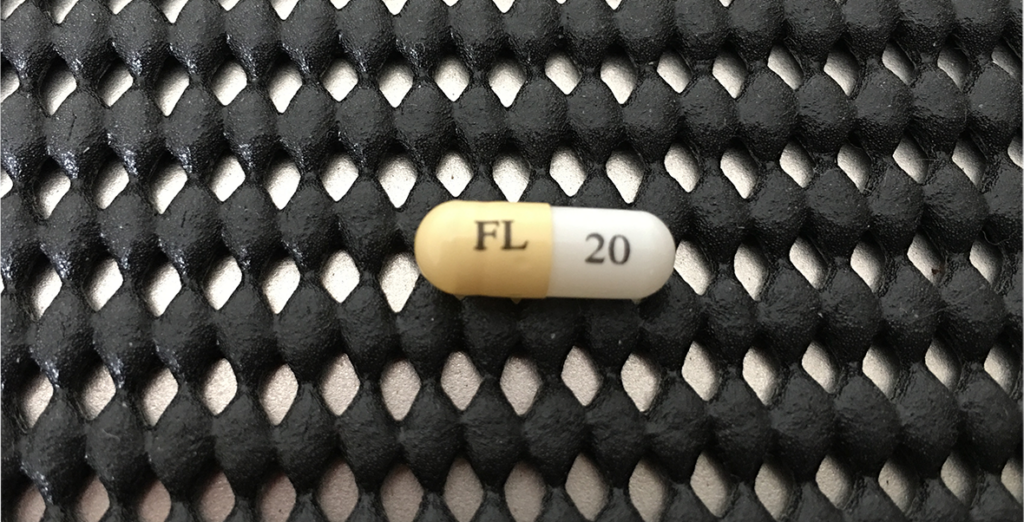
I struggle with depression. It’s not something I am proud of, but it’s nothing I hide, either. I come from a long line of worriers, ruminators, obsessors and other equally intense folks.
Vyvanse approved as treatment for binge eating
Banish blue light and get to sleep!

I rediscovered a marvelous, free download that automatically dims the glare on my screen according to the time of day at my office. Unfortunately, our brains can’t tell the difference between the artificial computer-generated blue-spectrum light and morning light, so it signals our brain to stay awake
Integrated Listening Systems (iLS)
I was intrigued by the Integrated Listening System which uses normal sound waves plus “bone conduction” to supposedly stimulate the cerebellum (at the base of your skull) which in turn talks nice to the pre-frontal cortex (those of you who have read my book know her as Ms. Prefrontal Cortex, the keeper of executive function and responsibility and planning, that sort of thing).
Shortage of ADHD drugs
We can’t get our ADD meds and we’re losing focus faster than a defective camera lens. What gives?
First, everyone (OK, doctors) convinced us that we should take meds for our ADD. So we get our prescription filled, our brains come to attention, we get things done and then … and then … no medication!!!!
Is it a conspiracy? Is it corporate manipulation? Is it ghosts on Halloween?
Warning! Doctors can sell your Rx history to Big Pharma
In yet another consumer-bashing move, the US Supreme Court ruled June 23, 2011, that pharmaceutical companies may now purchase lists of the drugs that individual doctors prescribe (without the name of the patient) for marketing purposes.
The ruling was made using the First Amendment Freedom of Speech argument that if researchers and journalist were allowed to gather such records, then marketers deserved equal access. Um, this doesn’t exactly seem like freedom of speech to me. It’s more like data mining. And that pretty much sucks.
Warnings on generics: Supreme Court rules against consumers
But what about our safety and our right to full disclosure? Is the tradeoff for cheaper prescription prices an incomplete warning label about a potentially long-term, debilitating neurological condition? In this case, apparently so.
What does this mean for generic manufacturers? That they may skip merrily down the road producing medications that may or may not negatively impact the end user without telling us about newly-discovered problems.
What does this mean for ADD medications? It means “caveat emptor” – let the buyer beware. The drugs that are “off patent” may or may not have new, serious side effects. But if we take a generic we’ll never know, because there is no requirement that we be told about them. And now, no way to seek legal recourse against the company that produced the drug.